
Unhurried care. Lasting change.
Myofascial Release
For pain relief, mobility, and a body that feels more free.
Myofascial Release is a gentle, whole-body manual therapy that works with the fascial system—the continuous web of connective tissue that surrounds and supports muscles, bones, nerves, organs, and more.

- The fascia is understood as an unbroken system from head to toe, often described as “the yarn in a sweater.”
- Physical or emotional trauma, inflammation, surgery, poor posture, and repetitive stress can cause fascial tissue to become stiff, restricted, and less adaptable.
- These restrictions may place significant pressure on pain-sensitive structures—John F. Barnes notes pressures of up to approximately 2,000 psi—and may not appear on standard diagnostic imaging.
- Myofascial Release uses slow, sustained pressure to gently ease these restrictions, approaching the body as a connected system rather than treating isolated areas.

Why this Approach
- Myofascial Release focuses on addressing underlying fascial restrictions rather than simply managing surface-level symptoms such as pain or stiffness.
- The work is gentle, non-invasive, and intentionally unforced, making it suitable for individuals who have not found relief through conventional treatments such as traditional physical therapy, surgery, or massage.
- Because the fascial system functions as a continuous network, treatment may involve areas beyond the site of discomfort—releasing tension along related fascial pathways that contribute to pain, movement limitation, or imbalance.
What to Expect in a Session
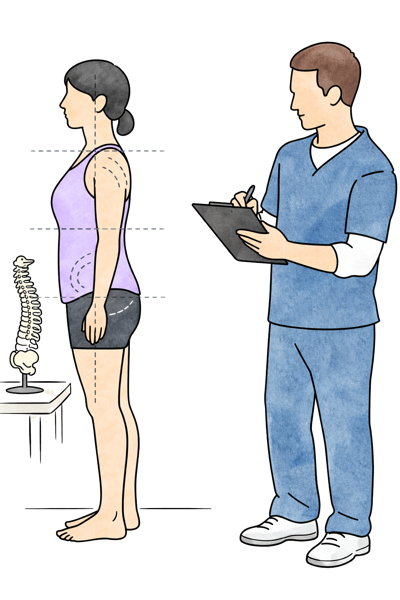
1. Assessment
Each session begins with a careful evaluation of posture, movement patterns, and areas of fascial restriction that may be contributing to discomfort or limited mobility.
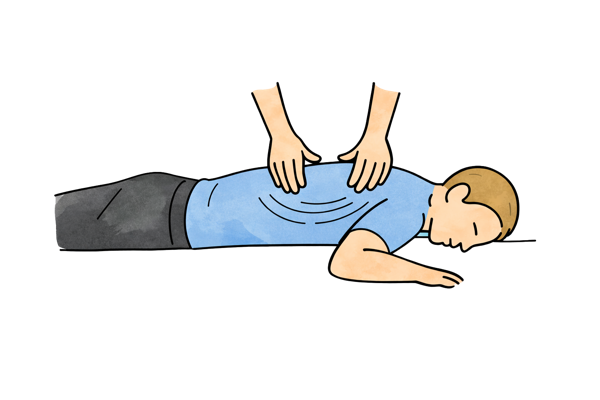
2. Hands-On Release
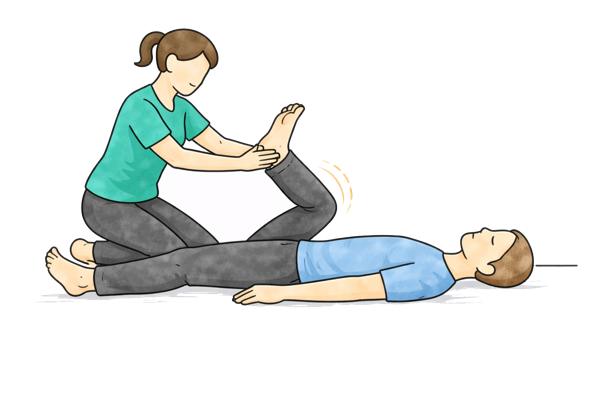
Slow, sustained pressure is applied to restricted tissue, often held for several minutes, allowing the fascia to soften and restore ease of movement.
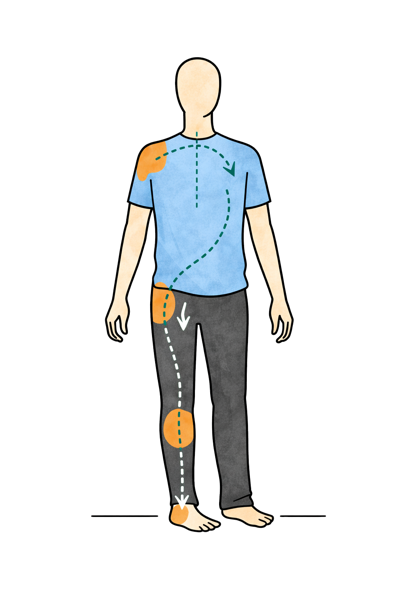
3. Whole-Body Perspective
Because fascia connects the body as an integrated system, treatment may include areas away from the primary site of pain—addressing contributing tension rather than focusing only on symptoms.
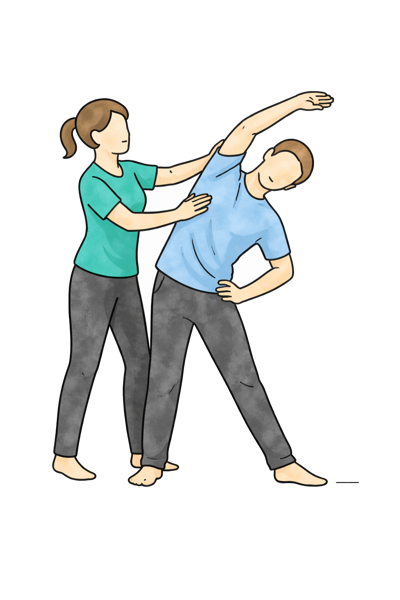
4. Patient Involvement & Self-Care
You may be guided in simple self-treatment strategies, gentle movement, or home practices to help support and maintain progress between sessions.
5. Gentle, Non-Forceful Work
This approach does not rely on aggressive techniques or forceful manipulation. Instead, the tissue is given time and space to respond naturally to sustained contact.
Benefits
Chronic Pain Conditions
Chronic back, neck, jaw, pelvic, and menstrual pain, as well as headaches and migraines.
Scar Tissue & Trauma-Related Restrictions
Surgical adhesions, whiplash injuries, and lingering effects of physical or emotional trauma.
Movement & Postural Challenges
Sports-related injuries, reduced range of motion, and postural imbalances.
Complex & Systemic Conditions
Fibromyalgia, chronic fatigue syndrome, and certain neurological dysfunctions.
Women's Health Concerns
Pelvic floor dysfunction, urinary incontinence, endometriosis, and related conditions.
Pain Management Support
A gentle, non-invasive approach for managing persistent or recurring pain.